
In the realm of feline nutrition, the debate over grain-free cat food continues to garner attention and scrutiny pet nourish.
As Malaysian cat owners seek optimal health for their beloved pets, the question of whether grain-free diets are beneficial or potentially risky is paramount.
This article delves into the health benefits, common alternatives, potential risks, and essential considerations for Malaysian feline enthusiasts facing the decision of embracing or eschewing grain-free cat food.
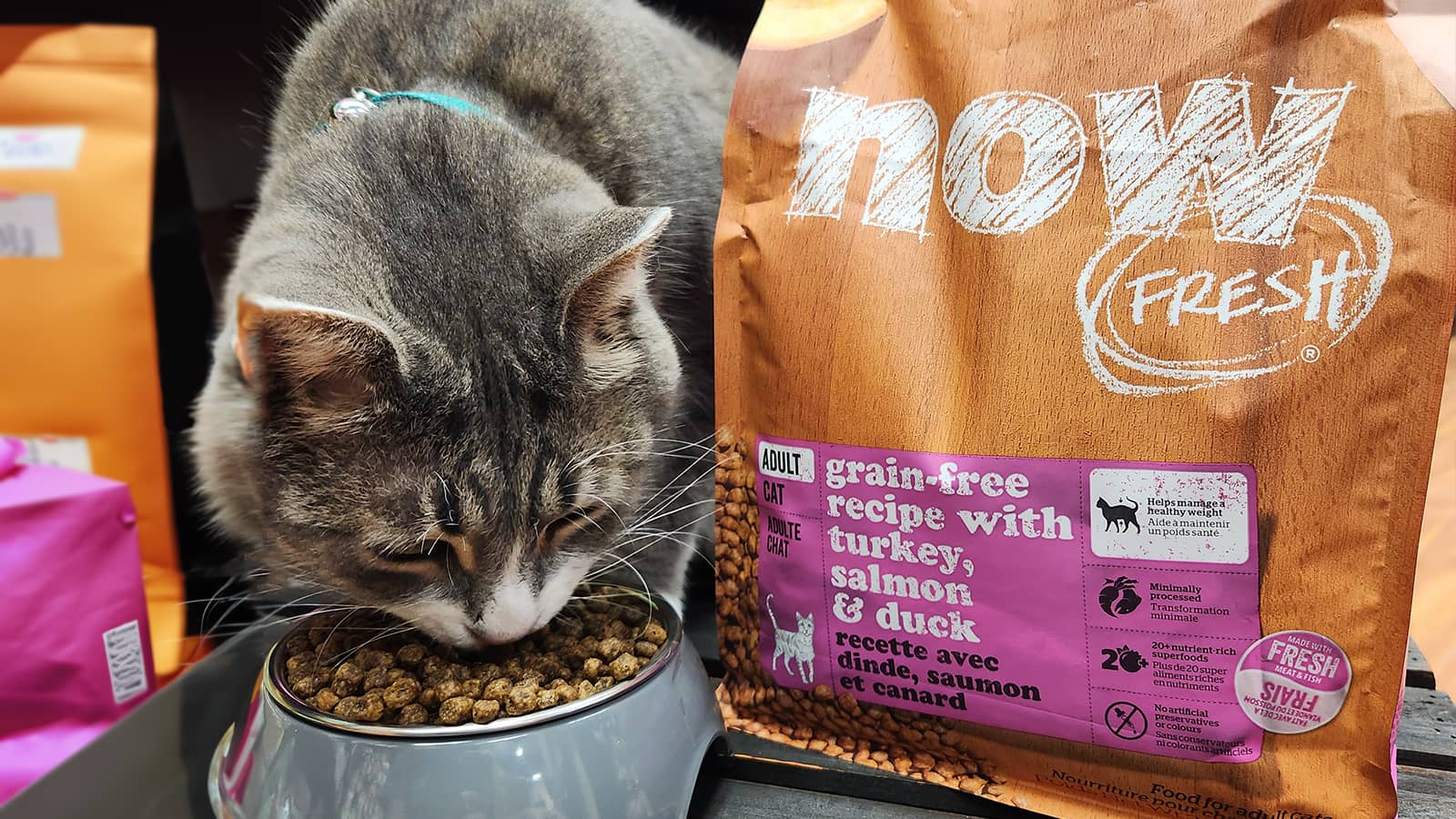
Health Benefits of Grain-Free Cat Food
While grain-free cat food is a popular choice among pet owners, its health benefits extend beyond dietary trends and preferences. Opting for grain-free cat food can lead to various health advantages for our feline companions https://nourish.petuniverse.com/.
By eliminating grains like corn, wheat, and soy, which are common allergens for cats, grain-free food can help alleviate issues such as skin irritations, digestive problems, and food sensitivities.
Additionally, grain-free cat food typically contains higher levels of protein from sources like meat, fish, or eggs, which are more biologically appropriate for cats who are obligate carnivores. This increased protein content can support muscle development, provide energy, and contribute to overall vitality in cats.
Moreover, grain-free formulas often have lower carbohydrate levels, which can be beneficial for weight management and reducing the risk of obesity-related health issues.
Common Grain Alternatives in Cat Food
One common grain alternative in cat food is tapioca, known for its digestibility and lack of allergens. Tapioca is a starchy substance extracted from the roots of the cassava plant. It is often used in grain-free cat food as a source of carbohydrates and energy. Tapioca is gluten-free, making it suitable for cats with sensitivities or allergies to wheat or other grains. Additionally, tapioca is easy to digest, which can be beneficial for cats with digestive issues.
Another popular grain alternative in cat food is sweet potatoes. Sweet potatoes are a nutritious source of complex carbohydrates, vitamins, and minerals. They provide energy for cats without relying on grains. Sweet potatoes are also rich in fiber, which can support digestive health in cats. Moreover, sweet potatoes contain antioxidants that help boost the immune system and promote overall well-being.
Potential Risks of Grain-Free Diet
Transitioning from the benefits of common grain alternatives in cat food, it is essential to consider the potential risks associated with a grain-free diet for felines in Malaysia. While grain-free cat food may be trendy and perceived as a healthier option, there are concerns that need to be addressed.
One significant risk is the potential lack of essential nutrients in grain-free formulas. Without grains, cats may not receive an adequate intake of important elements such as fiber, vitamins, and minerals crucial for their overall health.
Moreover, some grain-free cat foods substitute grains with ingredients like legumes, peas, or potatoes to bind the food together. These ingredients may lead to an increased risk of heart diseases in cats due to their potential link to dilated cardiomyopathy (DCM). The correlation between DCM and grain-free diets is still under investigation, but it is a risk that cat owners should be mindful of when choosing grain-free options for their feline companions in Malaysia.
It is crucial to consult with a veterinarian before making significant dietary changes to ensure the well-being of your beloved pets.

Considerations for Malaysian Cat Owners
In the context of selecting cat food in Malaysia, it is imperative for Malaysian cat owners to carefully evaluate the nutritional needs and potential health implications of grain-free options. While grain-free cat food can be a suitable choice for some felines, it is essential to consider factors such as age, breed, health conditions, and activity levels when making this decision. Malaysian cat owners should consult with veterinarians or pet nutritionists to determine if a grain-free diet aligns with their cat’s specific requirements.
Furthermore, sourcing high-quality grain-free cat food brands that adhere to international standards and regulations is crucial in ensuring the well-being of pets. Reading ingredient labels, researching brands, and seeking recommendations from trusted sources can aid Malaysian cat owners in making informed choices regarding their feline companions’ diets.
Ultimately, the decision to opt for grain-free cat food in Malaysia should prioritize the individual needs of the cat, with careful consideration given to their overall health and dietary requirements.
Making the Decision: Grain-Free or Not
How can Malaysian cat owners determine whether grain-free cat food is the right choice for their feline companions?
The decision to opt for grain-free cat food should be based on the individual needs and preferences of the cat. Cats are obligate carnivores, meaning their bodies are designed to primarily digest animal protein. While grains can be a source of carbohydrates, some cats may have sensitivities or allergies to grains such as corn, wheat, or soy. In such cases, grain-free cat food might be a suitable alternative to ensure optimal health and well-being for the feline.
It is essential for cat owners to observe their pets for any signs of digestive issues, skin problems, or allergies that may indicate a sensitivity to grains. Consulting with a veterinarian can also provide valuable insights into whether a grain-free diet would benefit the cat. Ultimately, the decision to feed grain-free cat food should be made based on the cat’s specific dietary requirements and health considerations, ensuring they receive the best possible nutrition for a healthy and happy life.
Conclusion
In conclusion, the decision to feed your cat grain-free food in Malaysia should be based on careful consideration of the health benefits and potential risks involved.
While grain-free diets can offer certain advantages, it is important to ensure that the chosen alternative ingredients are nutritionally balanced and suitable for feline health.
Consulting with a veterinarian and monitoring your cat’s response to the diet are crucial factors in making an informed decision for your pet’s well-being.
